⚜️🏕 Scout Camping Guide 🏕⚜️
‼️🔺🚧🔺‼️
⚠️ NOTE ⚠️
We don't expect you to own gear or to rush out and spend money. Borrow gear from family or friends or other scout families until you are certain you
are buying what you want or need! Most of us have gear we outgrew or found pieces we liked better. Learn before the cash burn!
We recomend packing gear in Totes that can be loaded on a trailer or your car. The 108qt Sportsman tote (one per person) is a local standard.
🐻
Cub Scouts K - 3rd Grades
First camping experiences with family-friendly gear and simple essentials
🏃
Cub Scouts 4-5th Grades
Building independence with more responsibility and quality gear
⛰️
Scout Troop 5th and 6th+
Advanced camping with lightweight, durable equipment for serious adventures in Hiking and Camping
🐾
Some Gear we found for the right prices...
These links will hopefully work, and we will update as we can
🌡️
Why Mattress Pads matter
More than comfort, Pads keep you warm! A quality pad is important!
⛺
How to choose a Tent
A tent failure is not the end of the world but...
💤
Sleeping Bag Info
The "loft" in your bag keeps you warm. Big fluffy blanket!
🧭
Backpacks
Carry all your gear on a hike or to camp!
K-3rd Grade Cub Scout Camping
First camping experiences should be fun and comfortable!
⚠️ NOTE ⚠️
We don't expect you to own gear or to rush out and spend money. Borrow gear from family or friends or other scout families until you are certain you
are buying what you want or need! Most of us have gear we outgrew or found pieces we liked better. Learn before the cash burn!
- Parents help with packing and setup.
- Kids not in parents tents can only camp with other kids within 2 years of age and same gender unless siblings or related
- Keep gear simple and focus on the basics.
- For small items like Water bottles or Flashlights - consider less expensive versions. Kids lose stuff.
- Review other scout families gear and ask questions so you can buy only what you need or want!
- Pack your gear in the car - use any kind of tote, foldable wagon, etc
- Think Comfort. Cots and air matress!
Printable Copy of this page: Camping Packing list for K-3
🏕️ Parent Camping Equipment
🪑 Family Gear (Optional luxuries)
🏥 FAMILY First Aid - KEPT BY PARENT
How to Choose A Mattress Pad
What is "R-value"?
- R-value is a measure to quantify insulation's ability to resist heat. In other words, it's a measure of thermal resistance.
- The higher the R-value, the greater the thermal resistance and the better it will keep you insulated from the ground below.
Why is it important?
- When you're in direct contact with a mass that is colder than your body temperature, you lose heat quickly.
- If you were to sleep directly on the ground, it would essentially remove the heat from your body until you and the ground are at the same temperature: COLD.
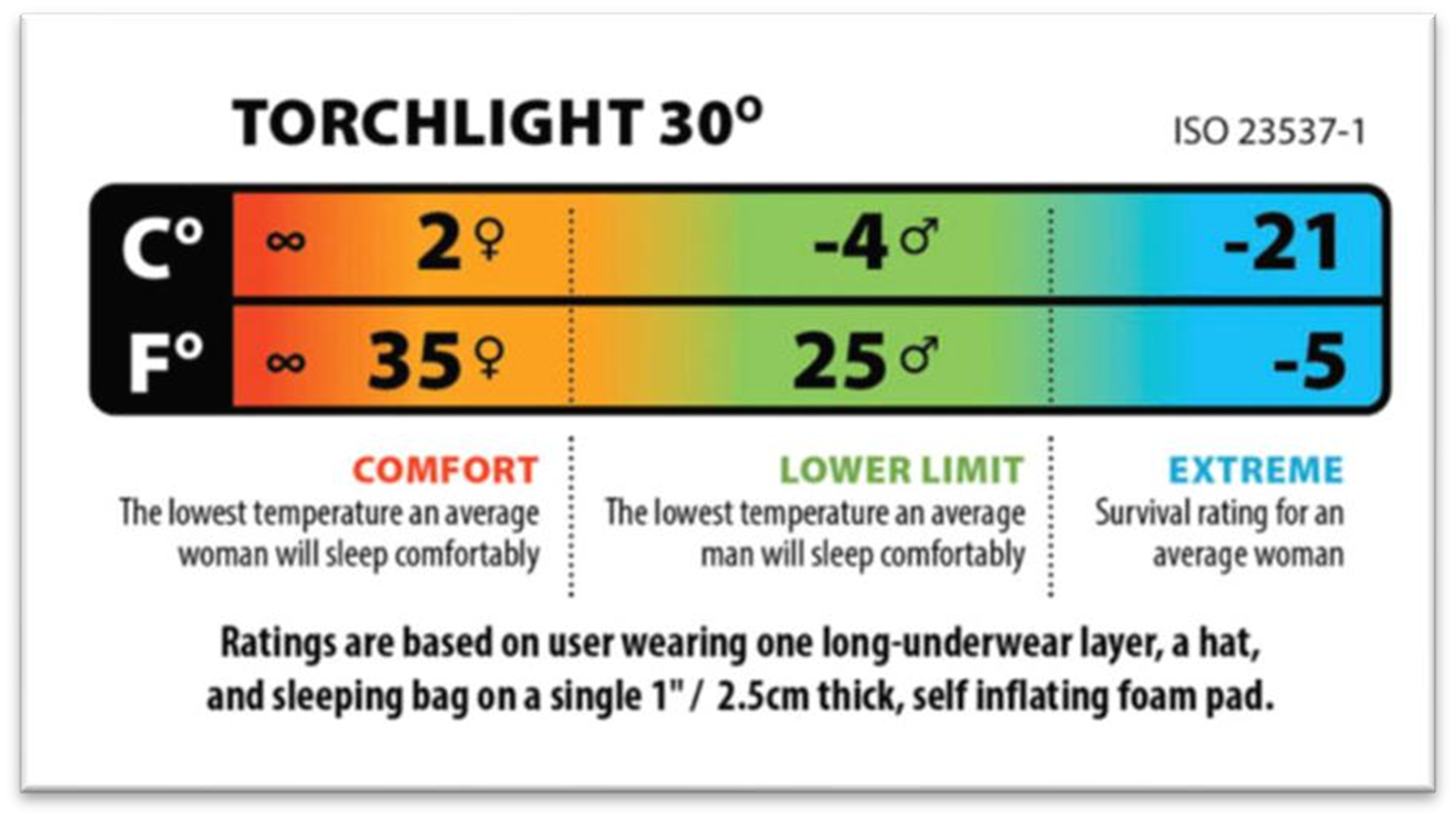
Example Temperature ISO Label
Doesn't My Sleeping bag provide insulation?
Not really. With the weight of the body, the layers are quickly compressed. Your bag is essentially allowing your body direct contact to the ground.
How are mattresses tested?
Under the protocol set in place by ASTM International, the mattress is set between a cold plate ("the ground") and a warm plate ("the body"). Over the course of several hours, what is measured is the energy it takes to keep the body plate at the same temperature. The less energy, the higher the R-value. The more energy, the lower the R-value.
Important: If a pad doesn't list an ISO or EN rating – you are taking the manufacturers word – and testing has proven manufacturers… fib.
Additional Resources
Section Hiker maintains a list of some of the popular pads:
How to Choose a Tent
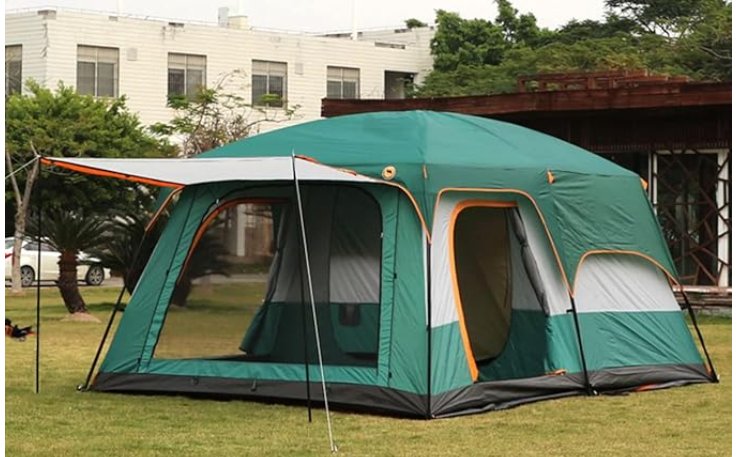
Your tent is your home away from home and the type of tent you need will be based on your group's size and need additional space for extra gear
So Many Sizes and Styles!
- While most brands list a tent as "4 person" or similar, keep in mind that no industry standard exists that defines per-person tent dimensions.
- You should carefully look at the interior measurements.
- When counting space, remember that gear counts as a 1/2 person - so a 3 man tent is good for 2 people and gear.
- When Car camping you may desire a tent that can hold a cot and with room to stand up.
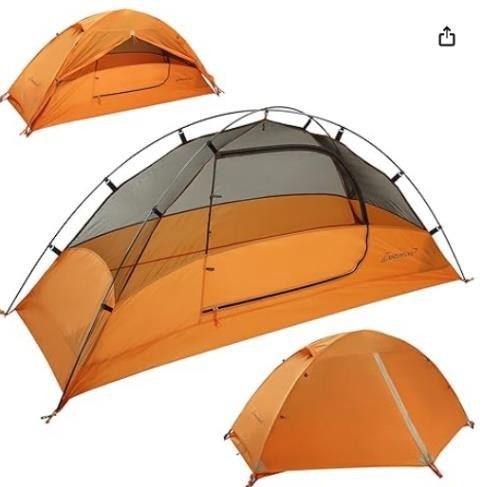
- When Backpacking – your Scout will need to consider weight and size – so a smaller tent is important.
- Rain Fly coverage matters! It rains a lot in the Southeast:
- This is what makes your tent water resistant – but also private for many tents.
- Rain flys do not always cover the same from tent to tent.
- Some tents are "single wall" with the tent itself being waterproof. This saves weight but is not as breathable.
- "Double Wall" tents are the most common. These usually have a mesh inner tent - and seperate rainfly.
Tent Seasons
3-Season Tents
- By far the most popular choice of tents, 3-season tents are lightweight shelters designed for the relatively temperate conditions of spring, summer and fall.
- They are usually equipped with ample mesh panels to boost air flow. Mesh panels keep out insects (but can still let in powdery blowing sand).
- Properly pitched with a taut rainfly, 3-season tents can withstand downpours but are not the best choice for sustained exposure to harsh storms, violent winds, or heavy snow.
4-Season Tents
- 4 season tents are designed to handle bad weather.
- Snow and Heavy Rains most commonly but also higher winds and lower temperatures.
Some special features
Vestibules/Garage
Usually part of a rainfly – this is a space outside the tent for storing gear, like your backpack.
Stakes
While most tents come with stakes, they are usually throw away quality. In Georgia Clay you will need stronger stakes to prevent bending.
Choosing A Sleeping Bag
To enjoy a blissful night's slumber in the woods, you need the right sleeping bag. The good news for car camping is that you don't have to fret about weight or having to fit your bag in a pack, so you can go as plush or roomy as you'd like.
Good quilts from home and other bedding will work just fine for those first few years camping with mom and dad. When your scout gets older and begins to be more independent – you should consider a better stand-alone sleeping bag or sleep system.
Scouting America Article on Sleeping Bags: https://scoutlife.org/outdoors/guygear/4225/sleeping-bags/
Shape and Style: Camping, Backpacking or Quilt?
🏕️ Camping Bags
In general, camping bags are simpler rectangles – easy to enter and offer plenty of room to move around in.
🥾 Backpacking Bags
In contrast backpacking bags are light and snug (mummy shaped) – cutting fabric to reduce weight. Some people feel too confined in a mummy bag. Side sleepers may wish to look for a dedicated side sleeper mummy bag.
🧸 Quilts
Quilts go that extra step. Removing zippers and the bottom of the bag. Quilts are the minimalist option. Lighter weight and more flexible design they also take more experience to learn to use and stay warm. Quilts are also a great option for side sleepers and people who move a lot.
Understanding Sleeping Bag Temperature Ratings
Key Rule: Because you can always unzip a bag that feels too warm, you should pick a sleeping bag with a lower temperature rating than the lowest nighttime temperature you expect where you plan to camp.
- If you will use your bag into the colder months of the year, look at bags that can handle lower temperatures - 0 degree or 15 degree bags.
- A 30 or 40 degree bag is for Summer Season not winter and maybe not fall or spring.
⚠️ CAUTION: Temperature Rating Inconsistencies
- Be aware that temperature ratings are not the same from manufacturer to manufacturer.
- Like the pads above – there are standards (ISO 23537), but many brands don't utilize the standards.
- Often bags say make model numbers which do not match their standards. Something like "Winterbag 20" which really is only comfortable down to 40 degrees.
- Check the comfort rating and remember women should add 10 degrees to the manufacture number.
- Manufacturers must test with a pad of at least 5 R-value – but can test with higher R-value pads.
This brings us back to why a good Pad is important! That sleeping bag number is WITH the pad of 5 or more.
Additional Considerations
- Manufacturers also often produce 2 nearly identical bags – if its less money – you need to know WHY.
- These numbers are based on an "average sleeper," mainly allow you to compare bags to one other. Females need a warmer bag in general.
- A wide range of other factors affect how you'll really feel once you're outdoors: your sleeping pad, what you wear sleeping, humidity and wind, your metabolism and more.
Choosing A Backpack
Starting out you will be carrying your gear from a nearby car. Utilizing trailers, wagons, etc – you can carry any amount of gear.
Eventually however your scout will need a backpack. Selecting the right pack is one of the most important decisions you will make when gearing up for a trip. After all, your scout may be wearing it almost every waking moment for the duration of your trip.
Every model is unique; Every person is unique.
Some packs have innovative suspensions to help achieve a comfortable carry while maintaining airflow behind your back. Others have a simple design with basic features to reduce weight. Some are designed to haul the kitchen sink, while others are minimalistic to keep you fast and light.
While comfort is critical, having the right set of pockets and features for your preference can also make all the difference between a pack you rave about and one you gripe about.
Because so much of the selection is based on personal preference, this guidelines is meant only to help you narrow down your choices based on how you plan to use the pack, how long you need to use it for, and perhaps, most importantly, how to find the most comfortable pack for you.
How important is weight?
Everything you take has weight. And small ounces add up quickly into agonizing pounds. Lacking some items at camp might be fine in comparison to the weight. Or perhaps that luxury weight is what makes camping meaningful to you. Some things like water can't be avoided, but even food can present itself in massively different weights.
Pack Volume
Does your sleeping bag fit? Ultimately you need to be able to carry your gear. If you want a small pack with a big tent – you might run into issues. Know what you are going to be carrying and make sure your bag has the room to accommodate.
Most scouts can utilize a 55L bag. However – a 300 lb guy might need a 70L – just because his clothes and sleep system take up more room.
Properly Sizing and Fitting a Pack
Having a pack that fits your unique body will more than anything else will affect your comfort. REI is not the cheapest, but they will fit your bag: that alone can make it worth shopping there.
Adjustments for torso length, shoulder width, etc are important for a comfortable hike. Adjustable bags can be changed up to allow 60-80% on your hips rather than your shoulders.
Important Features
- Hip adjustment
- Compression straps
- Sternum straps
- Load lifters
ALL make the bag feel better to carry.
Learn to pack your backpack
The weight distribution inside your bag is important. You don't want all the weight on one side, or moving as you walk.
🏕️ Camping Gear Guide
🏕️ Tents
Kelty Late Start 2 - Backpack Tent
2 person, 4.5 lbs
$159
Big Agnes Spur UL2 - Backpack Tent
2 person, 3 lbs
$559
Night Cat Tent with Fly - Entry Level
Backpack tent, 6 lbs
$84
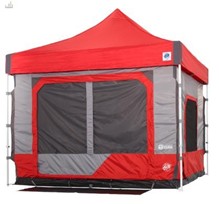
Car Camping Room Tent + Canopy Combo
8 lbs tent, requires 10x10 canopy
$125 + $70-99 (canopy)
🛌 Sleeping Bags
Note: Women's bags are a good choice for kids because they're smaller. The bigger the sleeping bag, the more it weighs and the more body heat it takes to warm it up.
Kelty Mistral 20 - Women's Size
20°F Synthetic
$37 (clearance)
Teton Sports Winter Bag
Rated -25°F (manufacturer's rating - actually good for winter use)
$84+
Note: This manufacturer doesn't use standard ratings. Their "normal 20°" bag is only good for summer. This winter bag is actually reliable for cold weather despite the confusing name.
🛏️ Sleeping Pads
This is probably where you want to spend money. Buy a good pad.
Big Agnes Rapide SL
18 oz, 4.8 R-value
$150
Therm-a-rest Neo Lite
13 oz!, 4.5 R-value
$170
Flextail Pad
23 oz, 5 R-value
$160
Naturehike Entry Pad
25 oz, 4 R-value
$100
🌟 Cubmaster's Choice - Premium System
Zenbivy Light Bed - Draft-Free Backpacking Sleep System
Expensive ($600) but the best quilt system